
Cuban Cigar Rolling Master Class Tickets Go On Sale at Cigar Nights
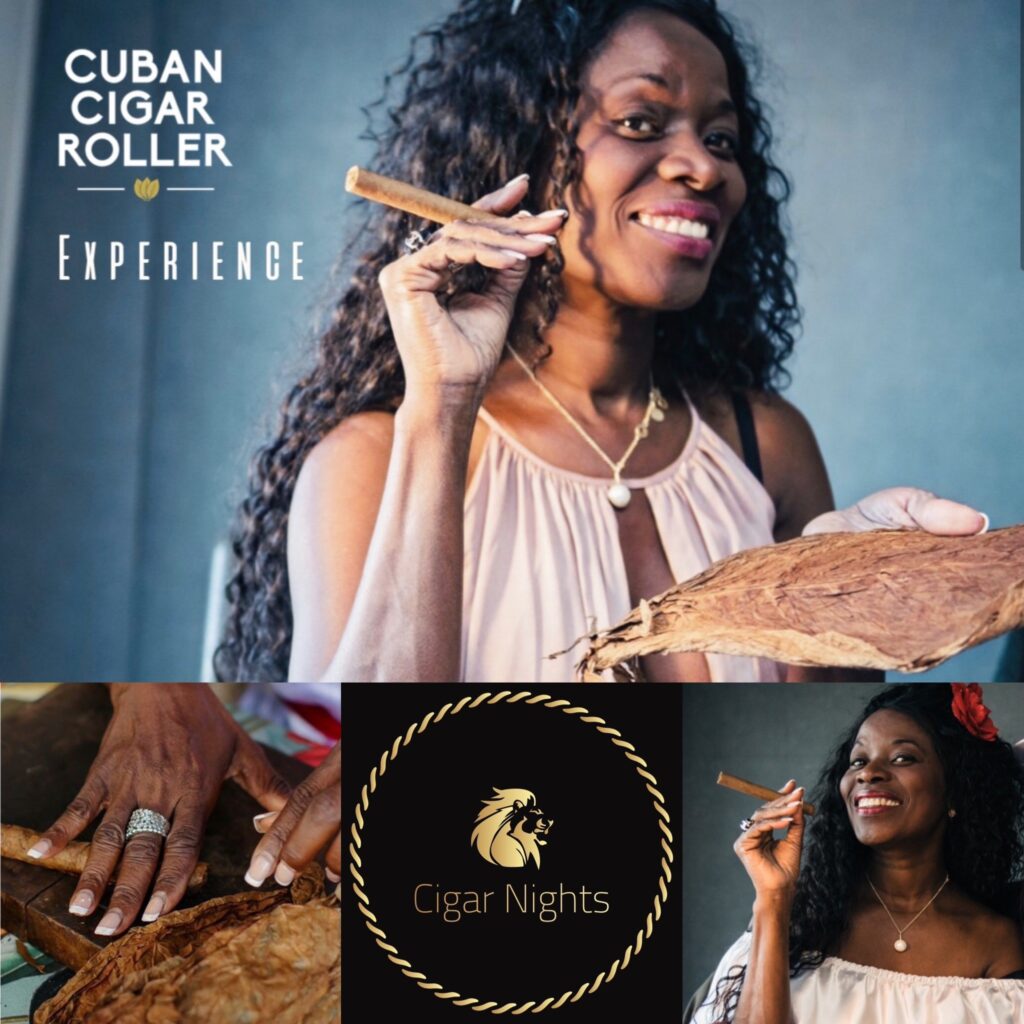
After two years in the planning we are excited to announce our first ever Cuban Cigar Rolling Master Class will take place on Sunday 22nd June at the Green Duck Beer Co in Stourbridge from 1pm to 5pm. Our Cuban Cigar Rolling Masterclass will be a very interactive experience where all participants get the opportunity to learn how a cigar is rolled, under the guidance of our roller ” Torcedor” and supported by the Cigar Sommelier they will demonstrate the five steps to roll a hand rolled cigar.
How the tobacco is chosen
How to prepare your tobacco leaves
Roll your cigar
Wrap and finishing with the essential guide of storage and perseveration of cigars.
Each participant will receive a cutting board, a cutter some glue and enough leaves to roll your own cigar. By joining hands on the Cuban Cigar Rolling Master Class guided by our cigar rolling experts from Cuba our guests will go home with a new learned skill, your own hand rolled cigar and a lot of great memories. Tickets are £105.00 each and limited to only 60 x Guests so please be quick as this event will sell out fast. The Event is held at the Green Duck Beer Co and will exclusively be open just for us with fully licensed bar and food will be available for you to buy during the whole event. Not only will you have this great once in a life time experience, we will have some of the biggest names in the UK cigar industry on site showcasing some of the finest hand rolled cigars from across the world all of which will be available for sale on the day. This will be the ultimate cigar lovers experience and one day not to be missed !! Go to our tickets section on our website to purchase your tickets now !!!
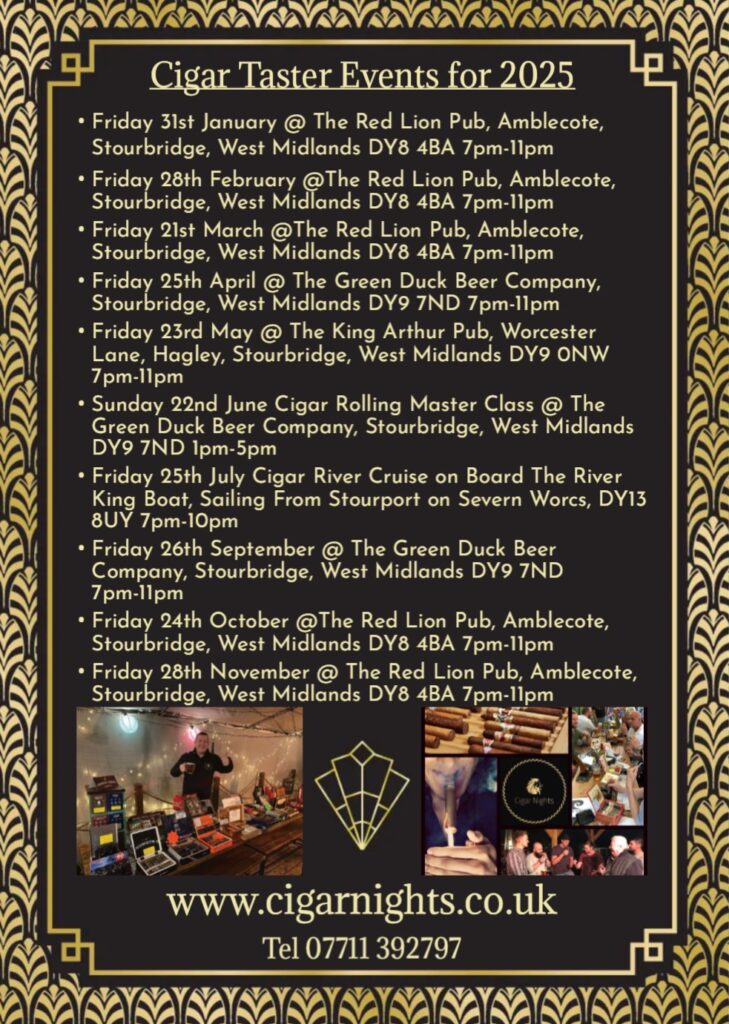
Cigar River Cruise Tickets Go On Sale
We are excited to announce that tickets for our annual Cigar Nights Cigar River Cruise have now gone on sale through our website www.cigarnights.co.uk This event takes place on Friday 25th July 2025 in Stourport on Severn, Worcestershire onboard the historic River King Boat from 7pm -10pm The Cigar Smoking Tickets are priced at £100.00 Each which includes two hand rolled cigars and light food buffet. Non Smoking tickets are also available sold in conjunction with Cigar Smoking Tickets at £45.00 each. This is our biggest event of the year with some of the finest cigars and people from the industry onboard. We hope you can come and join us for what is always a fantastic evening.
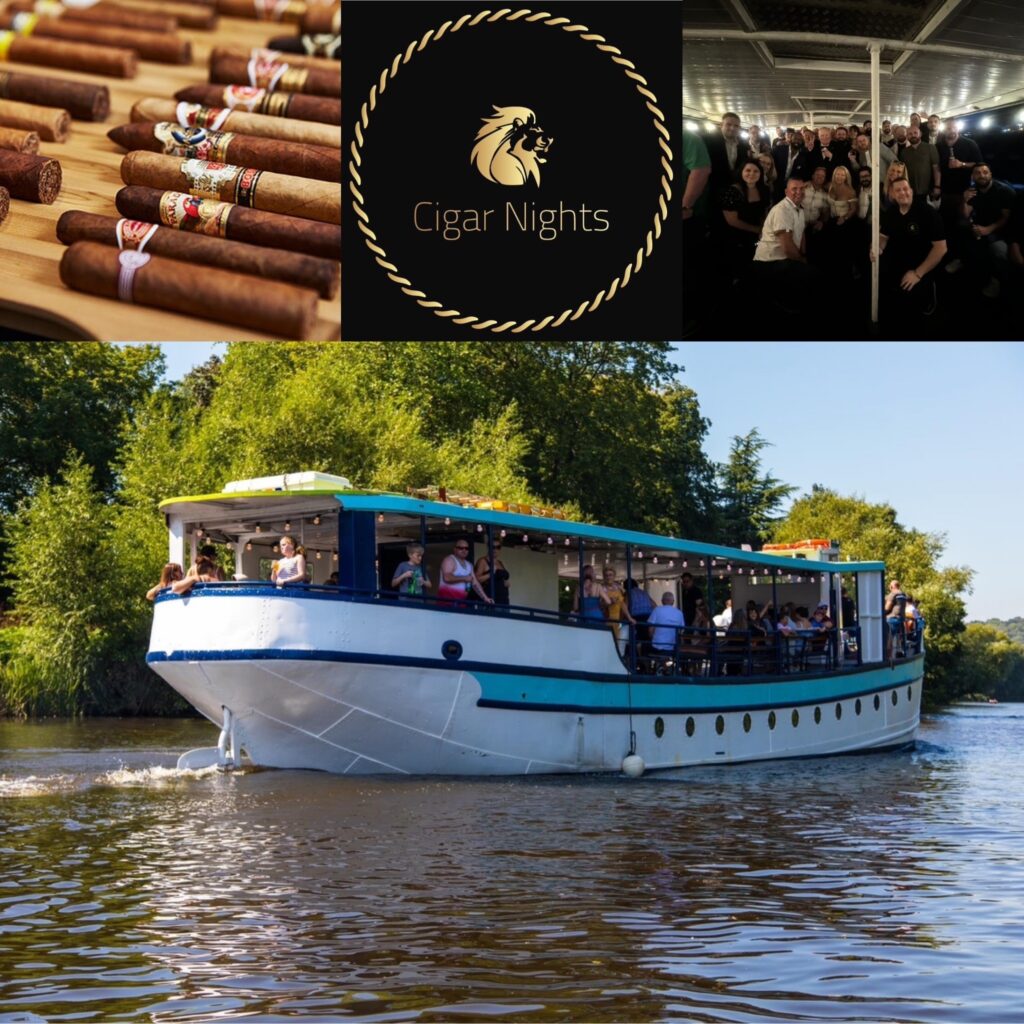
First Cigar Taster Event for 2025 Announced
We are excited to announce our first Cigar Taster Event for 2025 will be held at the Red Lion Pub in Amblecote, Stourbridge, West Midlands on Friday 31st January 2025 from 7pm to 11pm Tickets are £50.00 Each and will include two hand rolled cigars. Book your tickets now through our website now
How cigars are made
Behind the Scenes: How Cigars Are Made
Steeped in tradition and enjoyed across the world, each cigar is a testament to the art of tobacco craftsmanship. From the careful selection of leaves to the final wrap, the cigar-making process is rich in history and complexity. In this post, we will explore the fascinating journey of how cigars are made, uncovering each step from the tobacco fields to the finished product. Whether you’re a seasoned aficionado or new to the world of cigars, understanding how cigars are crafted can greatly enhance your smoking experience.
The Process from Leaf to Lounge
Step 1: Cultivation of Tobacco
The first step in the making of a cigar is the cultivation of tobacco plants. The type of leaves used for cigars varies, with the most common being Nicotiana tabacum. The soil and climate of regions like Cuba, Nicaragua, and the Dominican Republic are ideal for growing different varieties of tobacco plants that ultimately define a cigar’s flavour profile.
Step 2: Harvesting
Tobacco leaves are harvested either by hand or using machinery, depending on the size of the plantation. Leaves are picked at precise times during the growing cycle to ensure optimal maturity and flavour. The bottom leaves (volado) are usually harvested first, followed by the middle (seco), and finally the top leaves (ligero), which receive the most sunlight and have a robust flavour.
Step 3: Curing
After harvesting, the leaves undergo curing, a process that involves air-drying the leaves in a controlled environment. This step is crucial as it reduces the leaf’s chlorophyll content and brings out natural sugars, influencing the colour and taste of the leaf. Leaves are hung in curing barns where the humidity and temperature are carefully controlled.
Step 4: Fermentation
Fermentation is a critical step that further develops the tobacco’s flavour. The cured leaves are moistened and stacked in bulks or piles. Heat builds up within the pile, fermenting the tobacco naturally. This process can take a few weeks to several months, depending on the type of tobacco and the desired end flavour.
Step 5: Aging
Once fermentation is complete, tobacco leaves are aged. During aging, the flavours mellow, and the harshness of the tobacco diminishes. Aging can last from two years to several decades. The duration of aging significantly affects the quality and flavour profile of the final cigar.
The role of cigars in literature and film
The role of cigars in literature and film
Renowned for their quality and long associated with power and money, cigars have been a strong part of popular culture for many years. From plot devices in films to being spotted between the lips of the elite, cigars have long had a place in the cultural spotlight.
While other methods of smoking, such as cigarettes, have taken a turn in popularity in recent years, with it often associated as a negative habit, cigars have retained their status on screen, and are commonly used to denote power.
We look at the role of the cigar in popular culture, and a few of the places you may have spotted these beloved smokes!
Power and Class
Cigars are often considered a high-class item. While cigarettes can be picked up at your local supermarket, to get a quality cigar you’ll be looking at visiting a dedicated cigar vendor, such as Cigar Nights. This feeling of exclusivity adds to the allure of the cigar.
With this comes a connection to power. Cigars are typically more expensive than other forms of smoking, and so in the past quality Cuban cigars would be associated with rich and powerful people.
As such, cigars have come to be used to signify power and wealth in films – which is why they are so often smoked by the likes of political figures, villains and crime bosses in the movies (and in real life!)
Cigars on Screen
From being commonplace on screen in older films to being used as a symbol of celebration or power in more modern movies, there are many great examples of cigars being shown on screen:
- A Fistful of Dollars (1964)
- A Few Dollars More (1965)
- The Good, The Bad and The Ugly (1966)
- Scarface (1983)
- Predator (1987)
- Independence Day (1996)
- Die Another Day (2002)
- Hellboy (2004)
- The Wolverine (2013)
- Darkest Hour (2017)
Cigars in Literature
Cigars offer characters moments of contemplation, self-assurance, or silent rebellion. In American crime novels, cigars frequently appear in the hands of characters who wield power or inspire fear. Mario Puzo’s The Godfather (1969) uses cigars as props for mafia dons, figures who command authority and respect. Through cigars, Puzo heightens the image of his characters, cementing them as symbols of influence, power, and the dark allure of organised crime.
Many of the writers who made cigars iconic in literature had a personal passion for them. Mark Twain was perhaps the most famous literary cigar smoker. Known to smoke up to 20 cigars daily, Twain once joked, “I smoke in moderation—only one cigar at a time.” His characters often reflect his fondness for cigars, associating them with a sense of freedom, independence, and a bit of mischief. In The Adventures of Tom Sawyer, cigars symbolise a playful defiance of norms, tying Twain’s rebellious spirit to his storytelling.
Ernest Hemingway, a lifelong devotee of Cuban cigars, frequently depicted characters with cigar habits that mirrored his rugged lifestyle. For Hemingway, cigars symbolised life’s richness, resilience, and even simplicity. In The Old Man and the Sea, the old fisherman Santiago enjoys cigars as a rare pleasure amid hardship, illustrating Hemingway’s belief in savouring life’s simple pleasures, even in adversity.
Arthur Conan Doyle also enjoyed cigars, particularly after achieving financial success with Sherlock Holmes. For Doyle, cigars signified intellectual leisure and were likely an inspiration for Holmes’s smoking habits. Although Holmes is known for his pipe, Doyle’s inclusion of cigars symbolised the cultivated taste of London’s elite, giving readers a window into Holmes’s upper-class lifestyle.
Cigars in Music Videos
Cigars have also been seen in many music videos, particularly those in the rap genre. For example, real-life cigar smoker JAY-Z is seen smoking a cigar in several of his videos, including ‘Show Me What You Got’ and ‘Big Pimpin’’. Likewise, Nas smokes a cigar throughout his video for ‘Can’t Forget About You’.
While often associated with men, there are many female cigar smokers too, including Shakira and Rihanna, who each enjoy a cigar in the music video for ‘Can’t Remember to Forget You’.
As a great example of cigars being used in popular culture to signify power, Taylor Swift ‘smokes’ a cigar while dressed as a businessman to establish dominance in her video for “The Man”.
There are plenty more examples of cigars being spotted in film, television and other forms of popular culture – is there a moment that springs to mind for you?
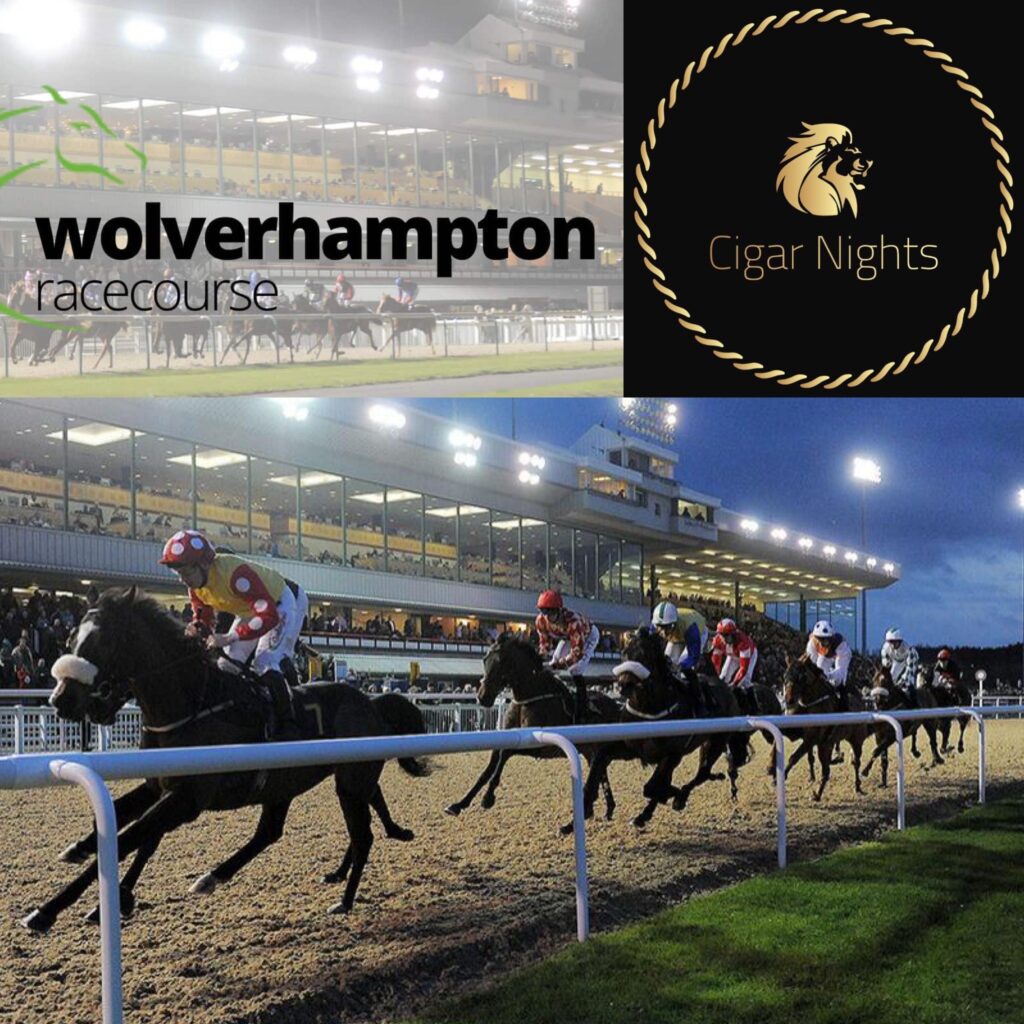
Cigar Nights will be exhibiting at four events at Wolverhampton Racecourse in Nov / Dec 2024
Cigar Nights are excited to announce they will be exhibiting at Wolverhampton Racecourse at four events this year, bringing a wide range of hand rolled cigars and accessories for customers to buy while enjoying a great day at the horse races. Dates will be at the races are
- Saturday 23rd November Evening Races Gates Open 3.00pm First Race 4.55pm Last Race 8.25pm
- Saturday 14th December Evening Races Gates Open 3.00pm First Race 5.00pm Last Race 8.30pm
- Thursday 26th December Daytime Races Gates Open 12.00pm First Race 2.00pm Last Race 5.30pm
- Friday 27th December Late Afternoon Races Gates Open 1.30pm First Race 3.30pm Last Race 7.00pm
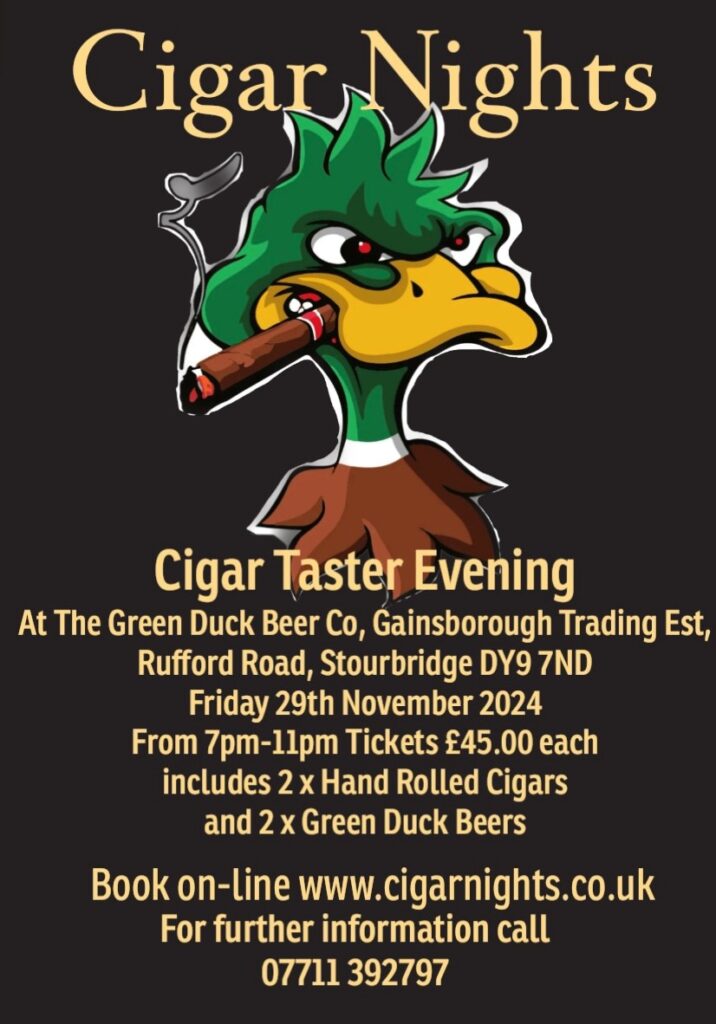
Cigar Nights to host an extra Cigar Taster Evening at the Green Duck Beer Co, Stourbridge on Friday 29th November 2024
Cigar Nights will be hosting another event at the Green Duck Beer Company in Stourbridge on Friday 29th November 2024 from 7pm to 11pm Tickets are £45.00 each and we will be joined by George Frakes from 1573 Cigars and smoking two fabulous Cigars the Olmec Robusto and Highclere Castle Victorian Robusto book tickets now www.cigarnights.co.uk
Cigar Nights to attend Gents Day at Uttoxeter Racecourse Friday 18th October 2024

Cigar Nights are excited to announce we will have our full trade stand for “Gents Day” at Uttoxeter Racecourse on Friday 18th October 2024 from 12.15pm to 6.00pm. Come and have a fantastic day watching the horse racing dressed in your finest attire and enjoy on site casino, whisky, shoe shines and of course world class hand rolled cigars by Cigar Nights. for further info about this event and to purchase tickets please visit www.uttoxeter-racecourse.co.uk We hope to see you there !!
Record numbers attend this years Cigar Nights River Cruise 2024 in Stourport on Severn.
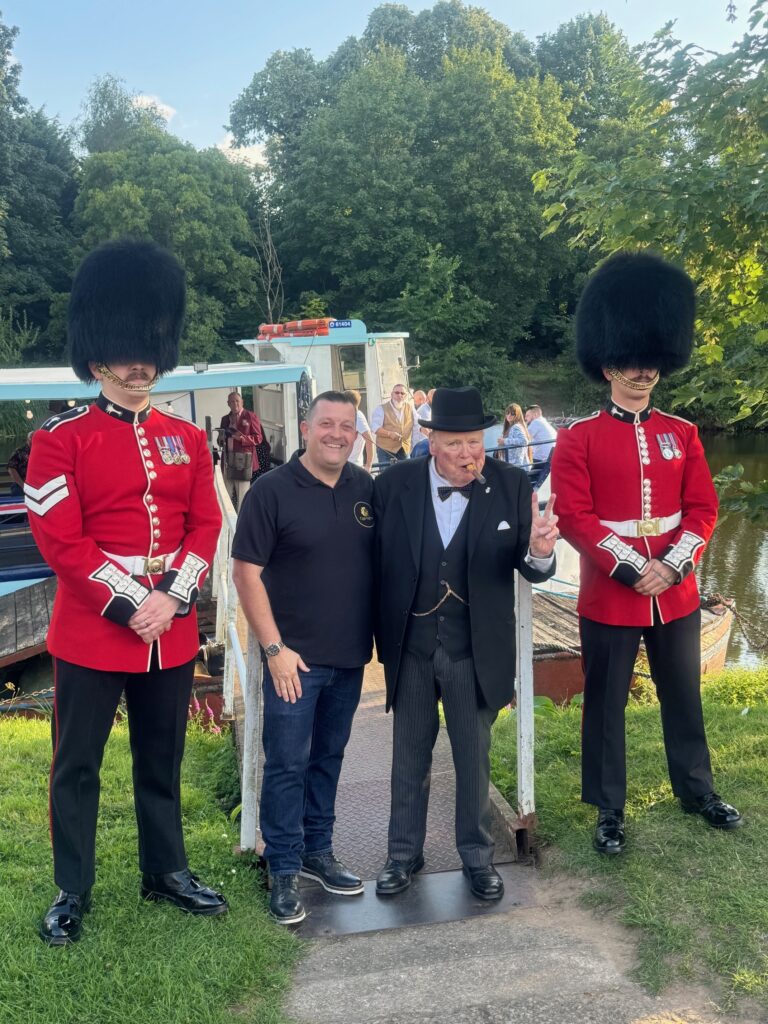
I would like to say a massive thank you to all of our guest who attended this years Cigar River Cruise making it the biggest event in our 8 Year history with over 108 people onboard. Making it one of the biggest cigar taster events in the UK this year !! Thank you to the Nunns on the Run for all their support in arranging the Welsh Guardsmen and to all your team members, thank you to Ken Silverio from EP Carrillo, Alfonso from Tor- Imports, Hugh Dixon from Trident Military Cigars, Phil Matthews from Brightleaf, Chris Smith from Barkers of Harrogate, Hannah Boon from Distinct Distillers with their British Rum and to “Winstan” the official Winston Churchill Lookalike for being the icing on the cake with his speeches!! What a great time was had by all. Thank you for helping my dreams come true. Best wishes James Bird Managing Director Cigar Nights Ltd
